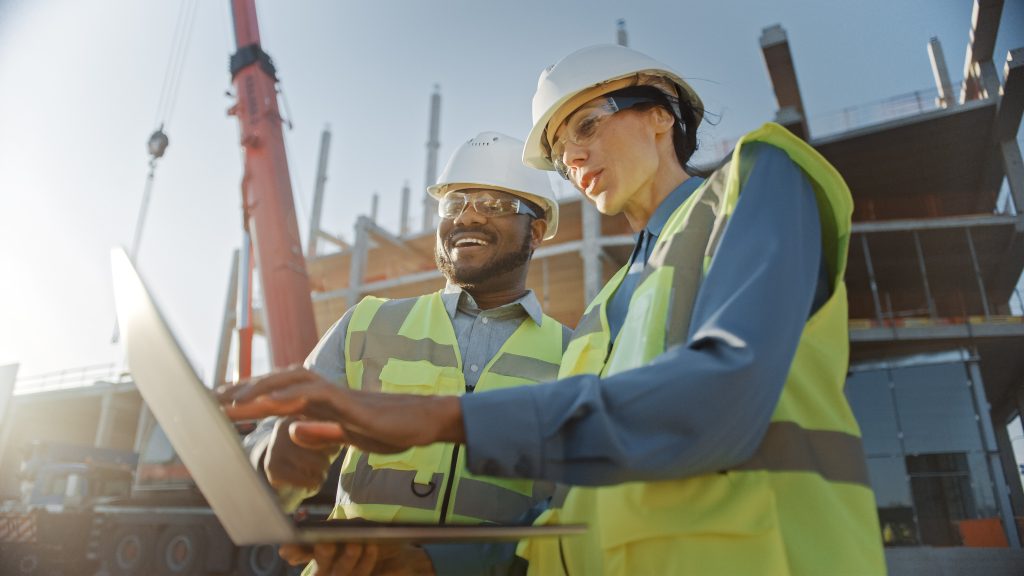
In the construction world, safety is a more than a conversation, it is a culture. It is not “something we have to do” it is something we should all want to do. A safe jobsite impacts everyone and their families.
Safety Training
Safety is not a one and done training seminar. It is an everyday commitment to staff and clients alike. OSHA serves as an industry standard for most safety trainings and regulations, however individual sites may require specialized training to reflect the present conditions.
There are many different types of safety training in the construction industry.
What Happens If OSHA Shows Up?
Each company must have a plan in place when OSHA shows up on a jobsite. You should immediately contact your company designated OSHA representative and wait for this person’s arrival before proceeding. An OSHA inspector should never be allowed to walk the jobsite unescorted. It is your right to accompany and document the inspection. The inspector must also state the reason for the visit.
Types of training:
Here are some common safety programs typical to Civil Work:
- Competent person in excavation
- Confined space entry and rescue
- Hazardous waste operations and emergency response
- Respiratory protection and selection
- Oxy-acetylene torch use
- Fire watch and fire protection
- Fall protection and systems
- OSHA 30 Hour Certification
- OSHA 10 Hour Certification
- First Aid & CPR Training
- Behavior Safety Training
How often should staff be trained on safety procedures?
Implementing a consistent safety training program in your company is a small price to pay to ensure your employees are working safely and to the highest standards.
The quality and consistency of your safety program can make or break the future of the organization.
Consistency reminds everyone that we are committed and vested in your welfare and that safety is not just a slogan.
Jobsite Safety Analysis (JSA)
Jobsite Safety Analysis has become a standard with many clients. It is a written procedure to review work steps and their associated hazard to put in place correct solutions to eliminate the risk of those hazards. A company creates a JSA, the construction manager or safety dept approves it and then the JSA is implemented in the field. JSA has a wide range of items including: site demolition, excavation, shoring, utility installation, curbs and sidewalks, asphalt, fence installation and more.
Insurance & EMR
The safety program, or lack thereof, can impact the performance and profitability of the company. In the construction industry, your insurance premiums and your chances at winning new work depend on your safety program and procedures. Experience Modification Rating (EMR) is a three-year average based upon insurance claims. The higher the rating the higher the insurance premium and the less likely you are to win more work because another contractor, construction manager and owner will ask for this rating during the bid process to help determine if you have an acceptable safety rating.
What is an EMR?
An EMR or Experience Modification Rating is used to price workers’ compensation insurance premiums. In construction, insurance companies use this rating to gauge history of jobsite accidents and future chances of risk.
EMR is measured numerically based on past accidents.
Any rating over 1.0 is considered too high and may affect the firm’s ability to bid or win work. This also affects their insurance premiums.
Safety Awards & Industry Standards
In addition to the EMR, there are many industry-wide awards and recognitions for those who exemplify a strong commitment to safety.
ConstructSecure is a widely known safety accolade with varying levels: Silver, Gold and Platinum. The platinum rating is very prestigious.
Having safety as a company culture will positively affect your business in many ways. Employee morale will be up, it will position your firm for bigger and better projects and most importantly, everyone will go home safely to their families after each workday.